Kabyle, a language and a heritage
Kabyle, or taqbaylit, is an Amazigh (Berber) language spoken in Kabylia, in northern Algeria, and among the diaspora. The name also refers to a cultural identity: the Kabyle people are part of North Africa’s Amazigh world. Discover the Kabyle language on Wikipedia ↗
Kabylia is a region of mountains and Mediterranean coastline, with Tizi Ouzou and Béjaïa as two important landmarks. The Djurdjura mountains and the Soummam valley are part of its landscape. Read more about Kabylia ↗
Landscapes and memories
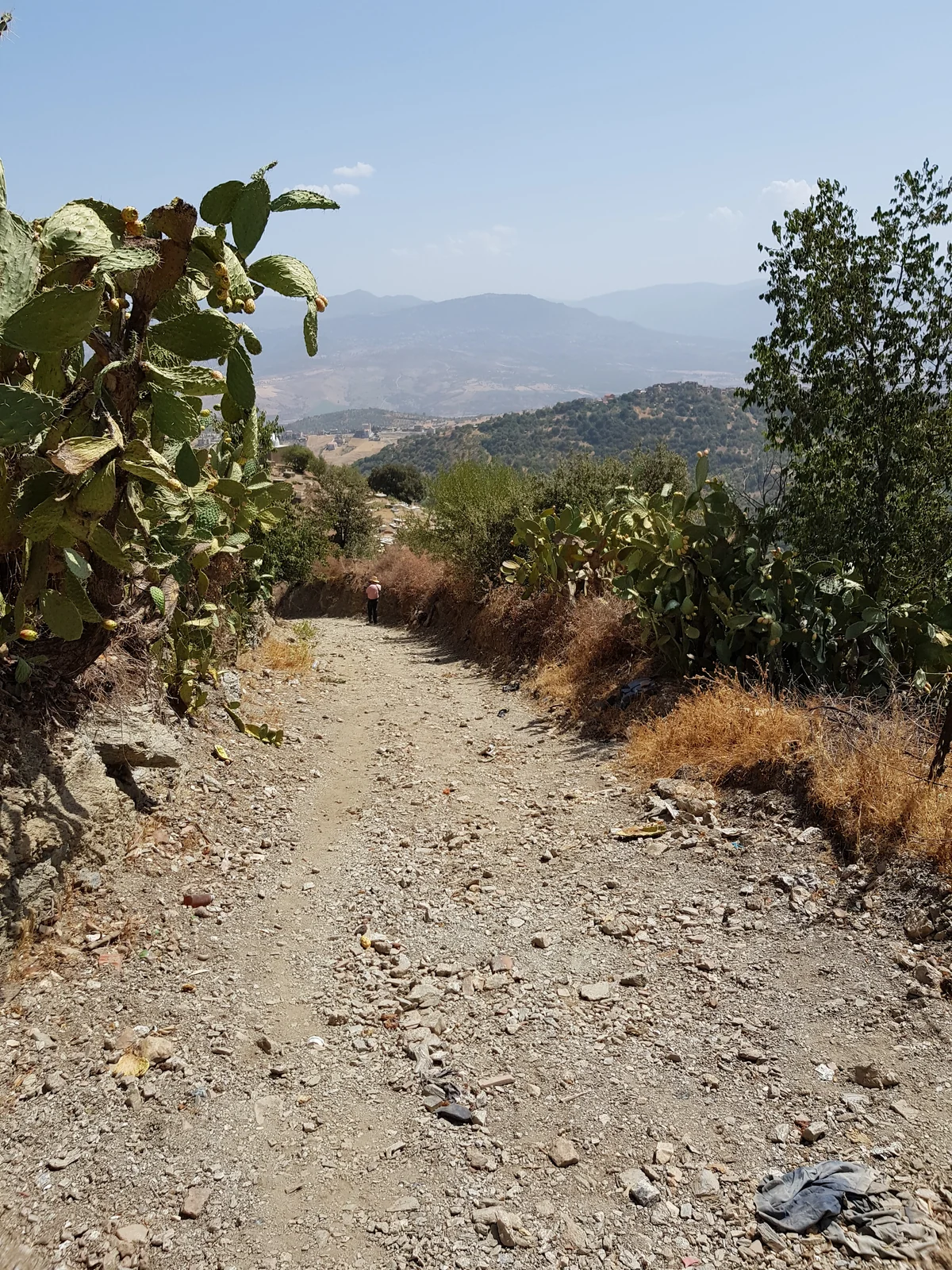
A few photographs to bring these landscapes into view.
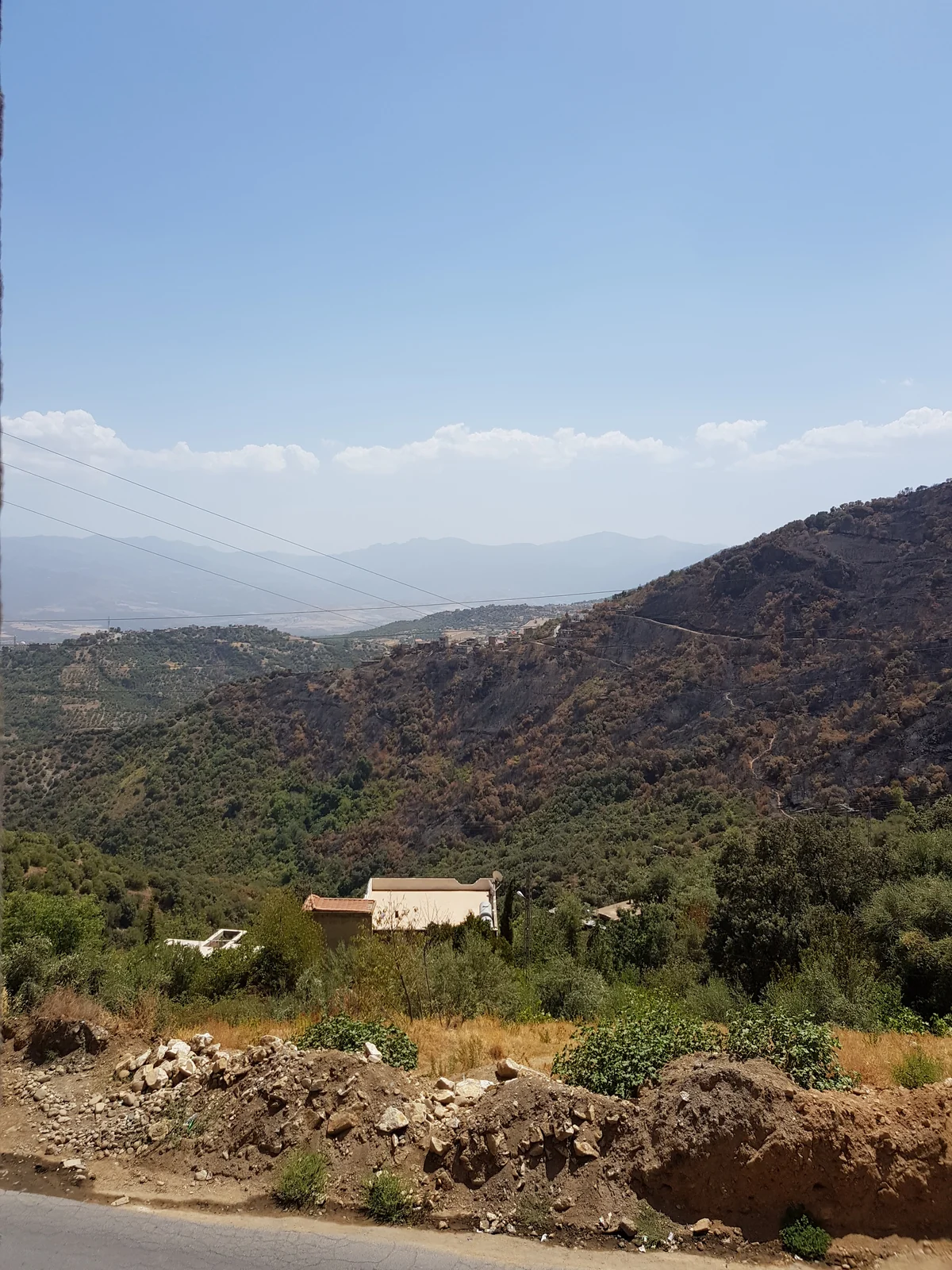
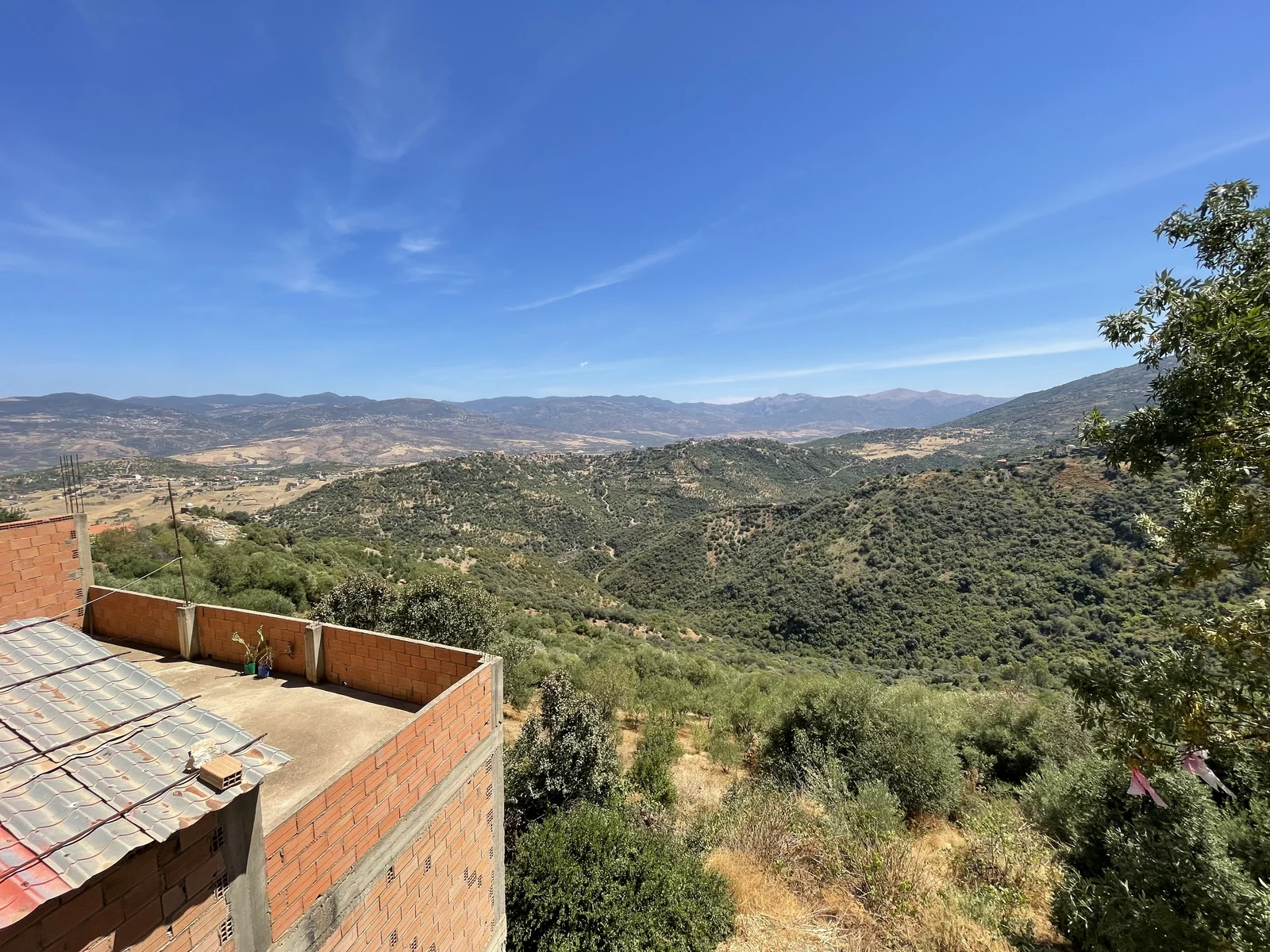
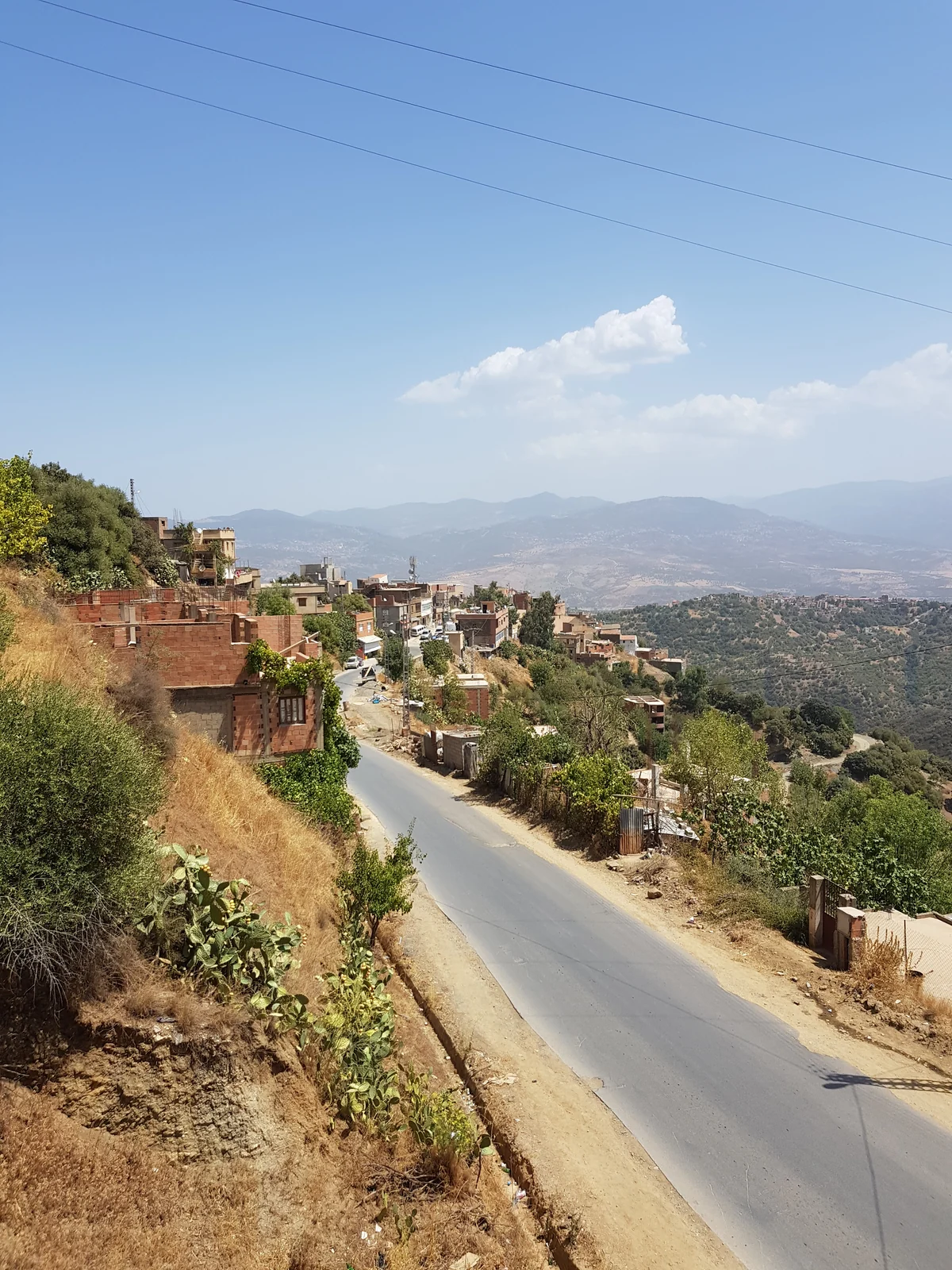
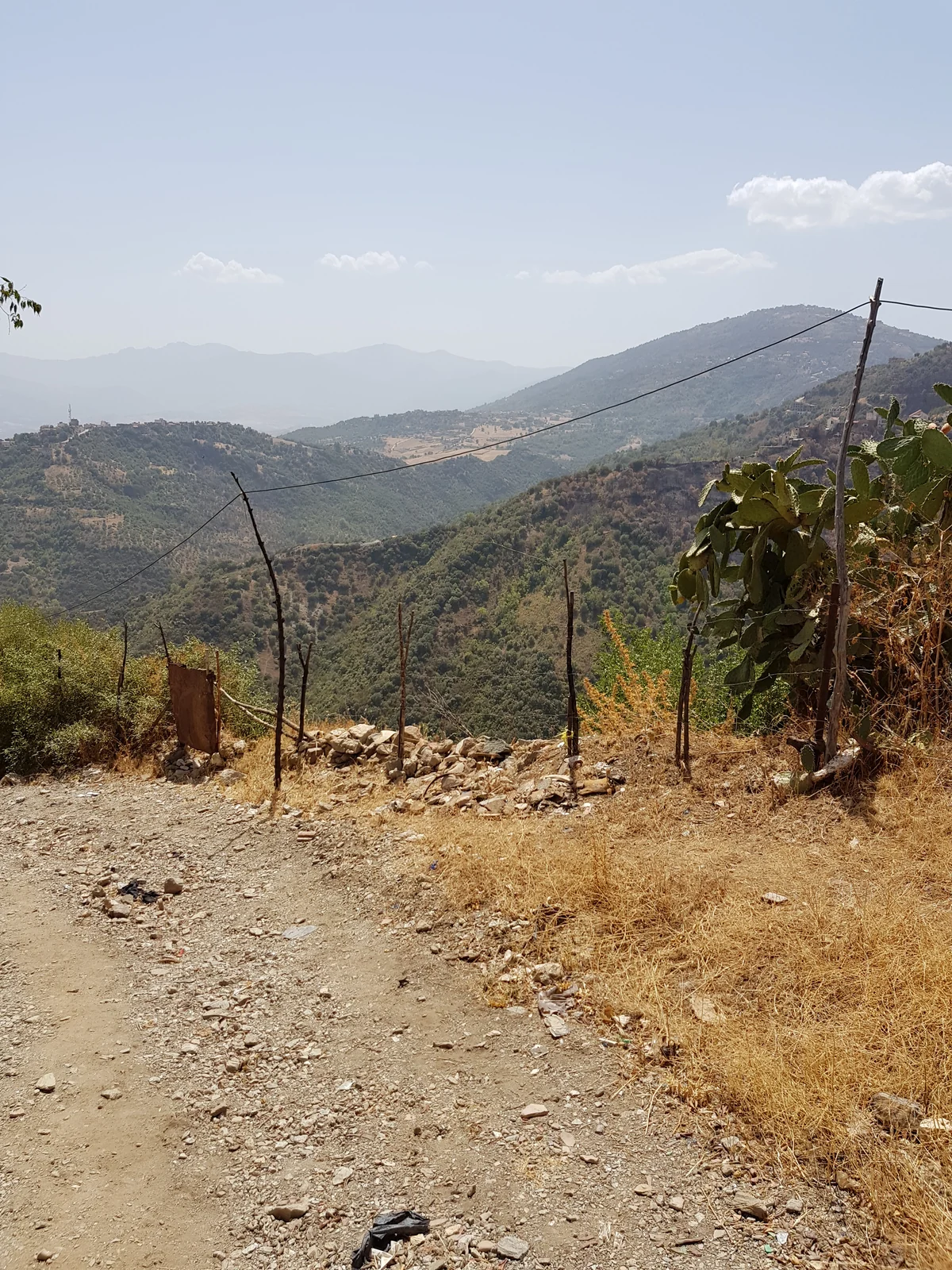
- FamilyAfroasiatic languages
- BranchAmazigh languagesor Berber languages
- LanguageKabyletaqbaylit
Kabyle belongs to the Amazigh branch of the Afroasiatic language family. Its oral tradition now coexists with a body of written work, notably using an adapted Latin alphabet. Tifinagh is also present as a writing system and cultural symbol in the Amazigh world. Berber at Inalco (in French) ↗
Finding our bearings
Two views of North Africa
Kabylia today. A region in northern Algeria, between the Mediterranean coast and mountain ranges. The halo gives an approximate location; it does not mark the region’s boundaries.
Ancient Numidia. The names indicate the two Numidian groups without reconstructing their changing boundaries. Modern country outlines are shown only for orientation.
Base map : Natural Earth (public domain). Historical references : Massylii and Encyclopédie berbère (in French).
Massyle, a name with a history
My first name, Massyle, refers to the Massylii: an ancient Numidian people organised as a confederation and ruled by kings. Their territory lay in eastern Numidia, mainly in what is now eastern Algeria, near the Carthaginian territories of present-day Tunisia. Read about the Massylii on Wikipedia ↗
Ancient sources distinguish two major Numidian groups: the Massylii in the east and the Masaesyli in the west. One of the Massylian kings was Gaia, the father of Masinissa. Initially fighting alongside Carthage, Masinissa later allied with Rome and played a major role in the formation of a unified Numidian kingdom at the end of the Second Punic War. Cirta, now Constantine, became one of its main political centres. Masinissa in the Encyclopédie berbère (in French) ↗
3rd century BCE
The Numidian kingdoms
The Massylii in the east, the Masaesyli in the west. Gaia is one of the Massylian kings.
203–202 BCE
The rise of Masinissa
Allied with Rome, he defeats Syphax and then helps secure victory at Zama.
2nd century BCE
A united kingdom
Under Masinissa, the unification and development of Numidia are consolidated.
Further reading : Masinissa, by Jona Lendering.
For me, this name is a way of carrying a little of that North African history. Together with the Kabyle language, it provides the thread running through this page: living cultural roots and a curiosity about the past.